An affirmation a day for the month ahead!!
relaxkids.com have launched this months calendar of affirmations to help give you a daily pick me up.
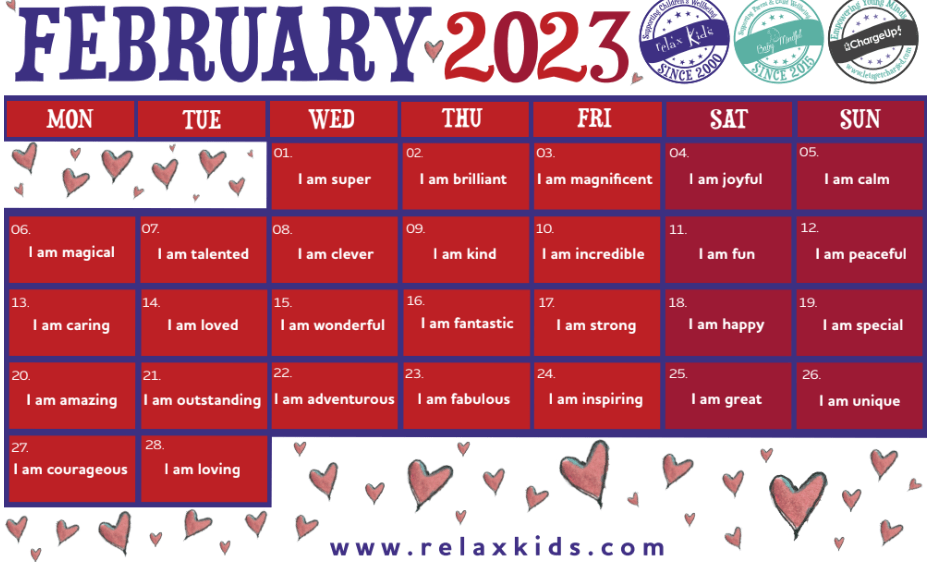

An affirmation a day for the month ahead!!
relaxkids.com have launched this months calendar of affirmations to help give you a daily pick me up.
Mindfulness involves us paying attention to what is happening on the inside and outside of ourselves. But how often do we do this???
We usually stop noticing the world around as we carry on with each day, getting caught up in our thoughts without thinking how they are driving our emotions and behaviour.
Becoming more aware of the present moment can help us enjoy the world around us more and understand ourselves better. When we become more aware of the present moment, we begin to experience things that we have been taking for granted. Being aware can also help us to notice signs of change in our emotions and behaviours that can be dealt with better or quicker.
So how can you be more mindful?
Have a go at being more mindful….it may work for you… it might not.
How can we give a boost to things we are not so good at?
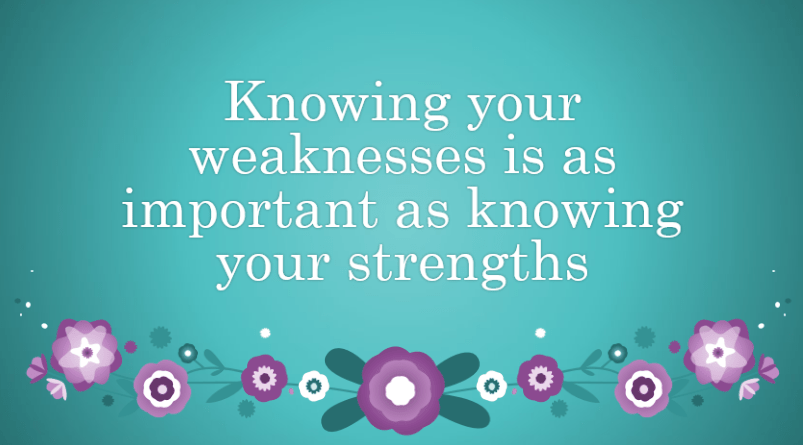
The first step is to identify our weakest characteristics . Try to identify the things you least enjoy, the things that drain you of energy, the things you dread doing. Ask others to share what they think are your weakest areas.
There maybe certain subjects or tasks you try to avoid doing or have self-doubt about your abilities. You may find you can be very indecisive, take criticism personally, quite disorganised, easily distracted, have a tendency to give up easily (just to list a few!)
Once you have thought of a few, use these as areas to improve on not just a list of things you can’t do. Ask yourself why you find something hard, what other help can you receive or how can your strengths help you overcome the feelings.
Try breaking out of your comfort zone and challenge yourself with your weaknesses. If you feel you give up easily – persevere until it’s done. If you are disorganised – make a list and tick it off once done.
In our wellbeing groups, we discuss about changing our mindset, pushing the negativity away as soon as we start to feel it. If something is too hard, break it down into smaller chunks. If we start to doubt our abilities, use self-talk to say more positive things (I can do this, I am good at this, I will try my best, I believe in myself, I can ask for help if I need it). The children have found this very useful when they are faced with challenges and it has given them more confidence in their weaker areas.
A new tab called ‘useful links’ has been added to the top of the blog.
Here you will find a list of websites that you might find interesting to look through if you’d like more information about mental health and wellbeing.

Hope you have all had a lovely break.
We are now in a new year and a new school term, a chance for new beginnings. Take this year to be more positive, instead of being scared of what could go wrong, be excited for what could go right 🙂
Thank you for all your cards and presents. Hope you have a wonderful Christmas break 🙂

Our strengths are those qualities that restore us, those things we feel passionate about and enjoy. By concentrating on strengths our positivity and energy is increased and we can use them to work on our challenges and goals. Knowing your strengths and using them effectively can have a positive impact on your life.
People who focus on their strengths seem to be happier, feel less stressed, feel healthier, have more energy, are more confident and experience faster growth and development.
Try thinking about what you really enjoy doing, what activities do you spend ages doing without realising, what activities give you a boost of energy rather than feeling tired? This will help determine if your strength is being committed, organised, confident, brave, creative, enthusiastic (just to list a few!)
Sometimes, we find it hard to think about ourselves, so we may need to ask others to see how they view us – they may even notice things you hadn’t.
In our wellbeing groups, we discuss what our strengths are and how this affects our work. If we are determined – we keep going until it’s done. If we are a team player – we help each other. If we are brave – we try new things, even when they seem difficult.
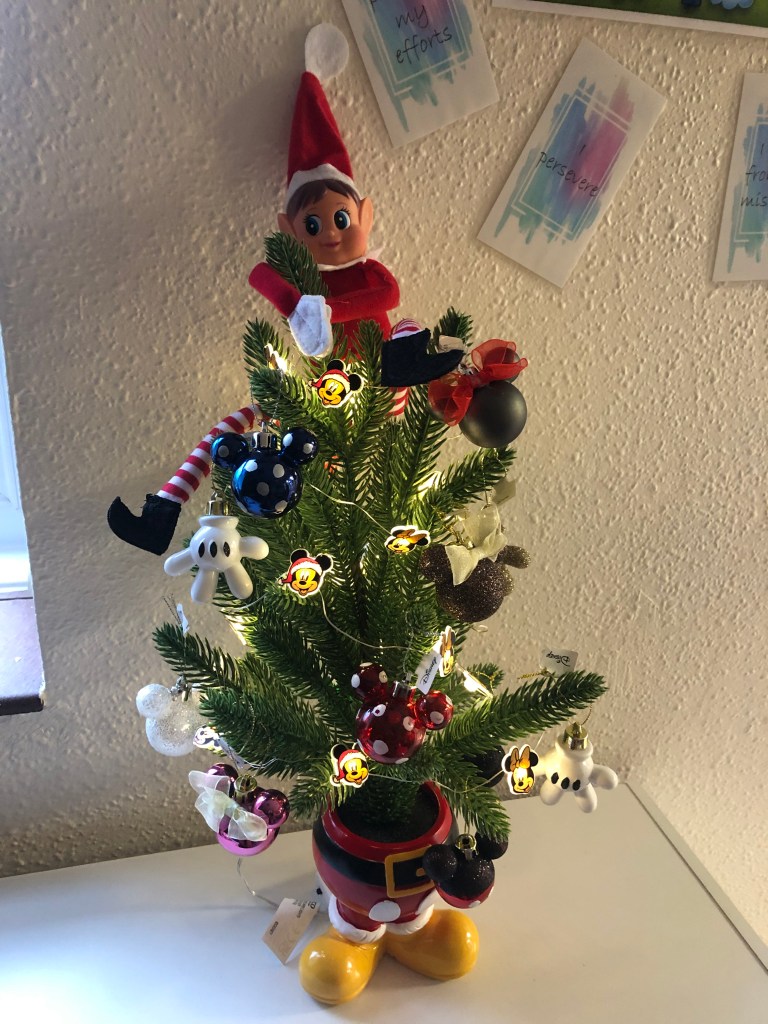
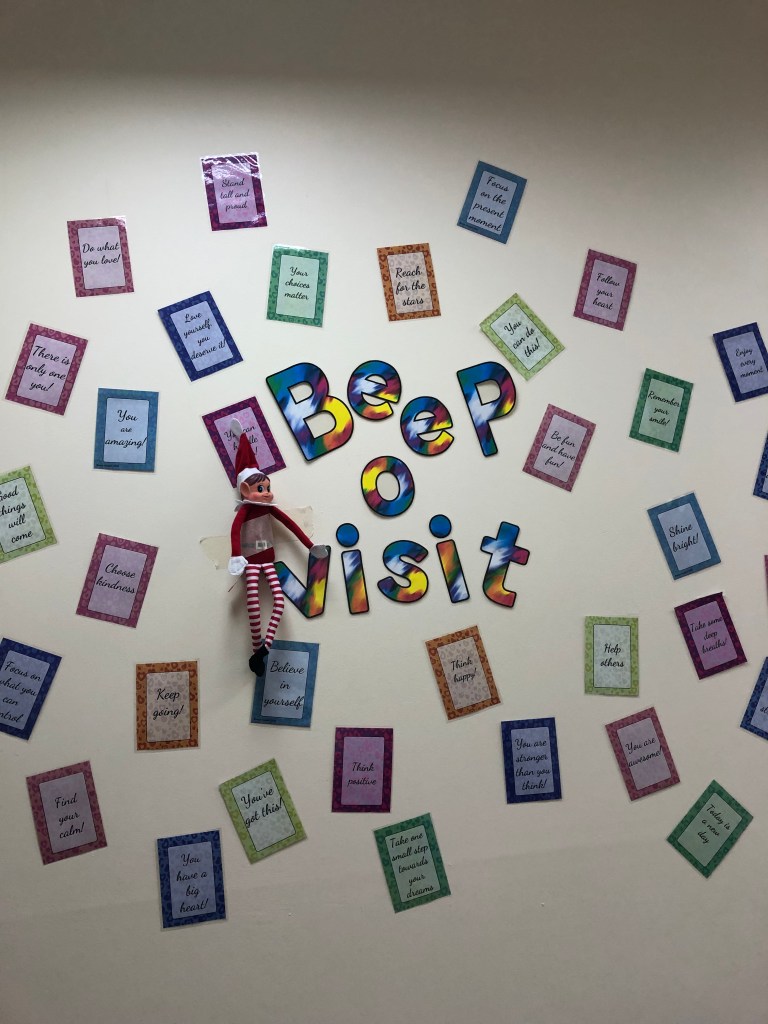
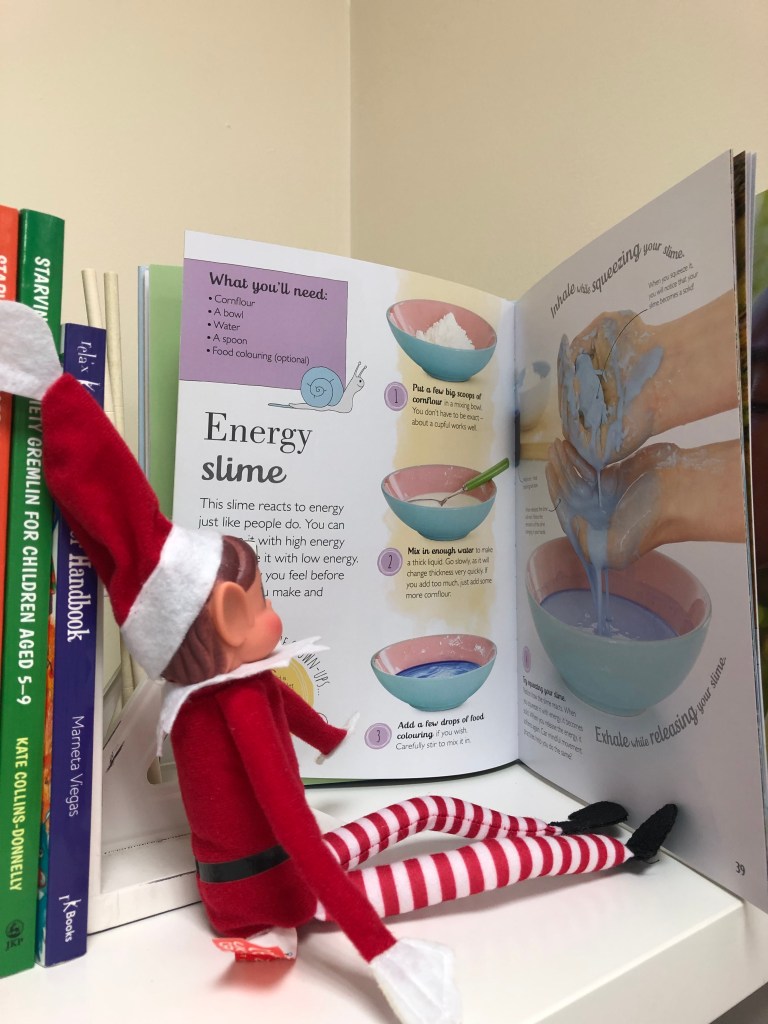
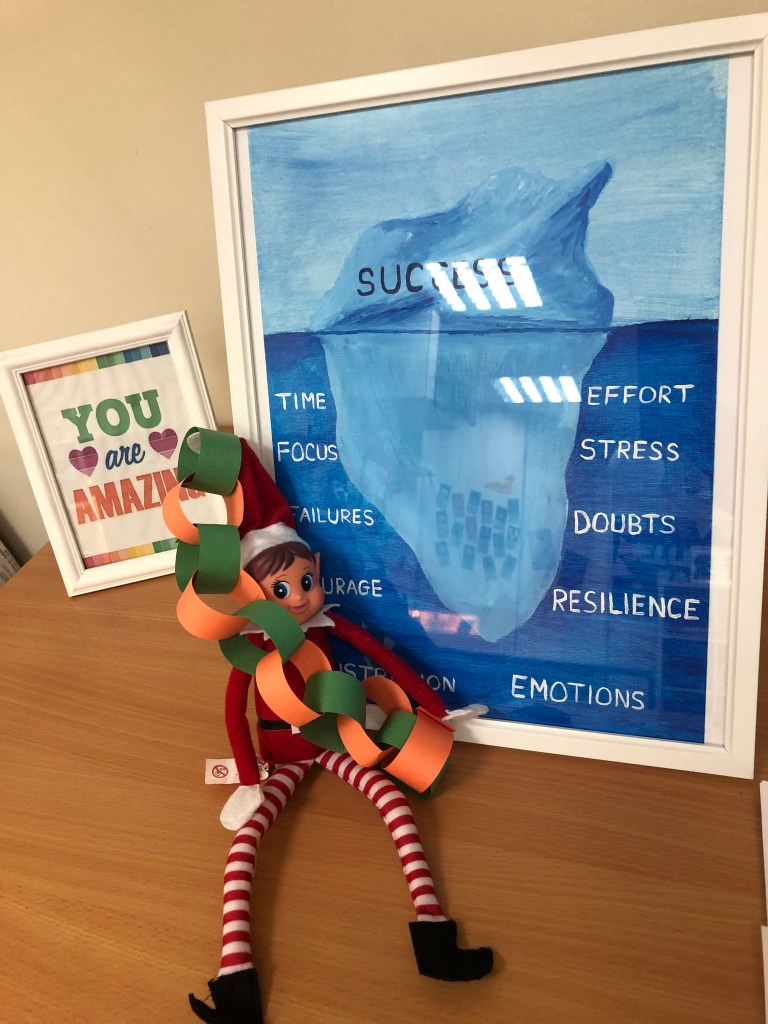
Wally has made his appearance again. Here’s what he has been upto so far …..
I wonder what he’ll be doing next week?? I’ll keep you posted!
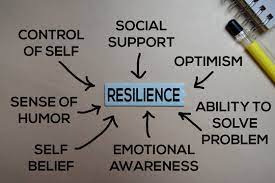
Resilience is how you cope and overcome stressful situations. Sometimes knowing how to deal with something can come naturally to some people, for others, there are skills that can be taught and developed.
Resilience helps young people gain skills for life that help them deal with, and manage challenging situations that can’t be avoided. These can include managing unexpected change, going through transitions, dealing with daily hassles or a range of stressors.
In our wellbeing groups, we discuss how to use a growth mindset, communicate our problems, develop optimism and think of our self-worth and emotions.
Other tips are;
 phpsnurtureroom.school.blog