Welcome back to school to start the new accademic year!
It has been lovely to see all the children settle into their new classes. Hopefully all those worries about returning to school have now disappeared.
Just a reminder, if there are any concerns you’d like to discuss, please speak to the class teacher who can then pass on the information to the learning mentor if support is needed.
It doesn’t seem like 5 minutes since I was writing a welcome back to the new academic year post and before you know it, the end of the school year is here!
It has been another fantastic year at Peters Hill. The children have grown in confidence, resilience and are more optimistic to take on challenges using their positive mindset.
Thank you to those who have been reading the blog posts, there are always there to refer back to.
Would like to wish you all a lovely Summer and good luck to our Year 6’s as they move onto their next adventure.
One ‘tool’ that can help develop your wellbeing is emotional awareness and expression. This can help you learn how to recognise and understand your emotions, as well as the emotions of others. It can also help you to learn how to express your emotions healthily.
Emotional awareness is knowing what you are feeling and why and understanding your actions are connected to your feelings. Once you know why you are feeling a certain way, you are then able to reflect and make decisions that will help you feel better. It can also help to predict your emotions in advanced to certain situations which means you can make your choices accordingly.
When you are emotionally aware of your own feelings, you will also recognise the emotions of others and how best to communicate with them, e.g. knowing how to cheer them up when they are feeling low.
Helping children and young people set health-related goals and develop healthy habits are useful tools for mental health, either for academic achievement or to develop well-being and resilience.
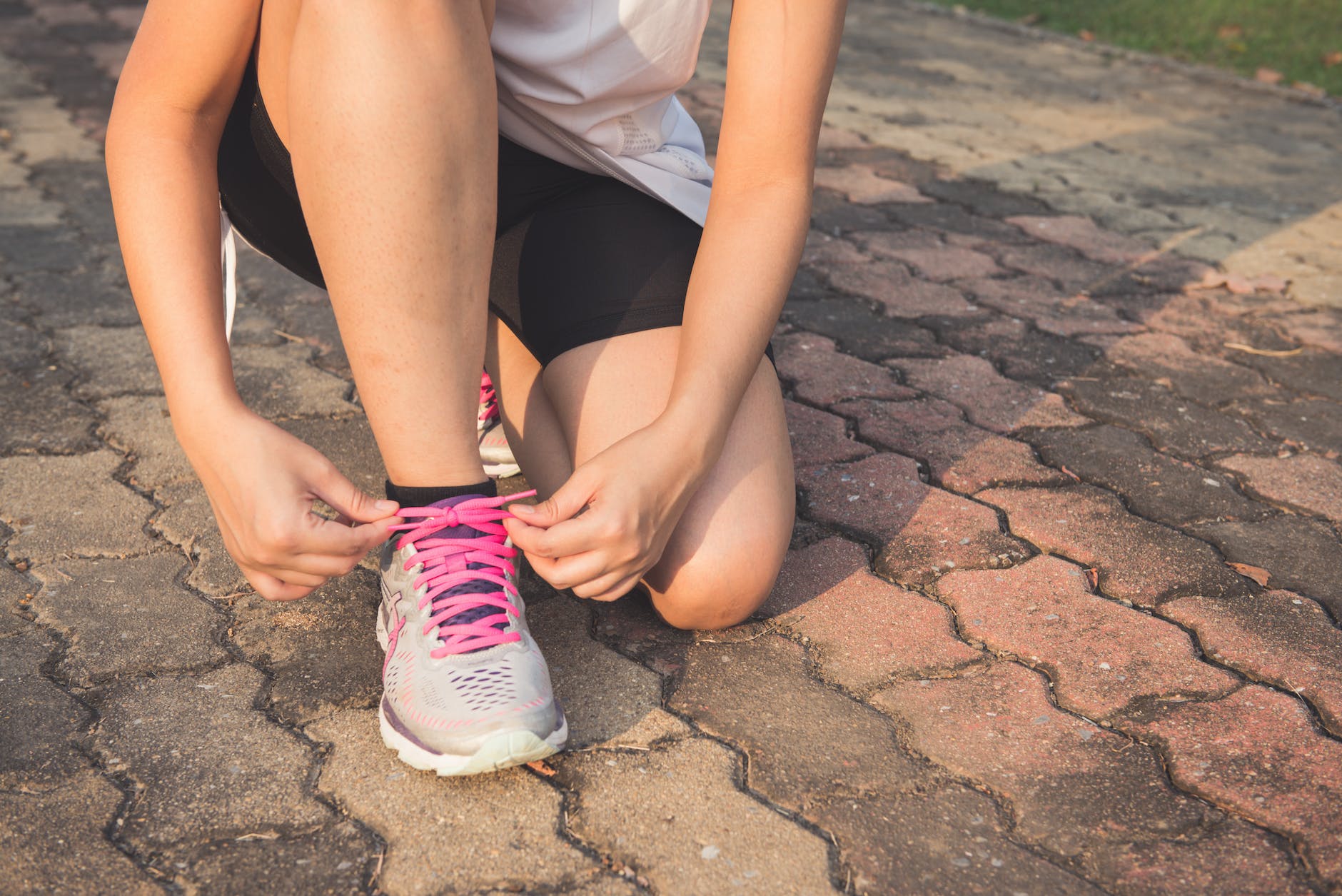
Exercise is another way for children and young people to boost their wellbeing. Exercise releases endorphins into the brain and helps release stress hormones from the body, reduces anxiety levels, lowers blood pressure, improves moods, and increases self-confidence.
There are many types of exercise that children and young people can participate in, such as running, cycling, swimming, dancing, and martial arts. Yoga is another good exercise, involving stretching and poses that are said to promote peace of mind and relaxation.
In school, children are taught exercise through weekly PE sessions and the benefits through PSHE.
What types of exercises do you do? Do you feel they help change your mood and mind?
When we think of a goal we want to achieve, it is better to write it down to focus on it more. It gives us more of a drive to want to complete it. In our wellbeing groups, we discuss what ways goals could be achieved (practice, break it down, ask for help, work with others, be realistic, be achievable, keep on top of it)
Have a think what achievements you have already done. How did it feel when you have achieved something?
When we complete a goal it makes us feel better about ourselves. Our confidence is lifted and we feel good about achieving similar tasks. Do you feel more confident when you achieve something?
Make sure the goals you set are realistic and achievable within a short time frame. This will give you more motivation to push for the end result. It will also help to give you a more positive mindset. If the goal will take you a long time or it maybe too difficult, it is worth breaking it down into smaller steps to achieve along the way. This way you will feel you are making progress instead of letting yourself down.
Attention is the ability to focus, whether on internal aspects of yourself, (such as emotions and physical sensations) or on external stimuli (anything that can trigger a physical behaviour change – smell, touch etc). The capacity to be aware of a stimulus while it is happening is referred to as attention.
Mindfulness is an activity that children and young people can do to help their wellbeing. It helps them to learn how to focus on the present moment and be aware of their thoughts and feelings. This can help children learn how to deal with stress and anxiety and make it easier to pay attention. There are many different mindfulness activities that teachers use in school, such as breathing exercises, mindful movement or mindful colouring.
There are many simple ways to practice mindfulness. Some examples include:
Pay attention. Try to take the time to experience your environment with all of your senses — touch, sound, sight, smell and taste. For example, when you eat a favourite food, take the time to smell, taste and truly enjoy it.
Live in the moment. Try to find joy in the things you do.
Accept yourself. Treat yourself the way you would treat a good friend.
Focus on your breathing. When you have negative thoughts, try to sit down, take a deep breath and close your eyes. Focus on your breath as it moves in and out of your body. Sitting and breathing for even just a minute can help.
As part of Children’s Mental Health week, we have been looking at how to connect with people.
Having relationships with others is crucial for our physical and mental health. People who are more socially connected to family, friends, or their community are happier, physically healthier, with fewer mental health problems than people who are less well connected.
We can have relationships with our parents, siblings, family or social connections with friends, teachers or those who help us.
Building positive relationships, helps us to feel safe and secure and have a sense of belonging. It involves being honest, having trust, being respectful and having an open communication where each listen and manage their boundaries.
Having friends at school is important to build up these positive relationships and boost our confidence and self-esteem.
Make a relationship resolution;
put more time aside to connect with family or friends
be present in the moment – be there for your family and friends when they need you the most
listen to what others say to you
give yourself time to be listened too – be honest and open
recognise unhealthy relationships – if you are unhappy, move forward and find solutions to the issues
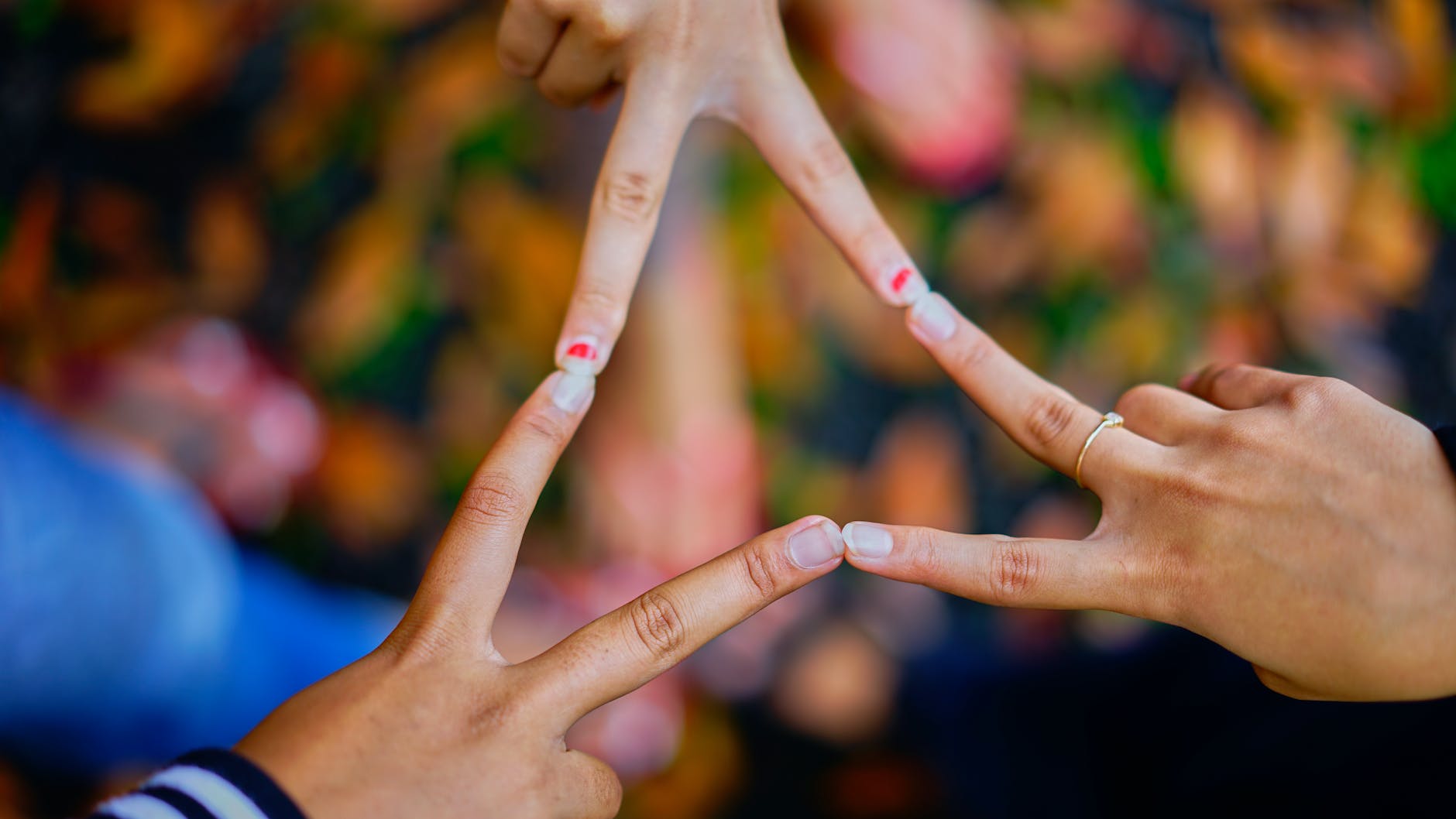
Children’s Mental Health Week 2023 will be taking place from 6-12 February. Place2be have announced the theme this year is ‘Let’s Connect’ 🤝 encouraging people to connect with others in healthy, rewarding, and meaningful ways. 💛



 phpsnurtureroom.school.blog