- The Benefits of Wellbeing Walks: Step into a Healthier You
One of the simplest yet most effective ways to enhance our physical and mental health is through a wellbeing walk. This practice not only promotes physical fitness but also nurtures our emotional and mental wellbeing.
What is a Wellbeing Walk?
A wellbeing walk is more than just a stroll; it’s a mindful practice that encourages you to engage with your surroundings while focusing on your mental and emotional health. Whether you’re walking in a park, along a beach, or through your neighborhood, the goal is to be present in the moment, appreciating the sights, sounds, and sensations around you.
Benefits of Wellbeing Walks
Engaging in a wellbeing walk offers numerous advantages for children, promoting both physical and mental health. These walks encourage kids to explore their surroundings, fostering a sense of curiosity and connection with nature. As they move, children can experience the benefits of fresh air and physical activity, which are essential for their overall development.
Additionally, wellbeing walks provide an opportunity for children to practice mindfulness. By focusing on their environment, they can learn to appreciate the beauty of nature and develop a greater awareness of their thoughts and feelings. This practice can enhance their emotional resilience and contribute to a more positive outlook on life.
Furthermore, participating in these walks can strengthen social bonds among peers and family members. Sharing experiences during a walk can lead to meaningful conversations and create lasting memories. Overall, wellbeing walks serve as a valuable tool for nurturing children’s health and happiness.
Wellbeing Walks can also;
1. Boosts Physical Health
Walking is a low-impact exercise that can significantly improve your physical health. Regular walking helps to:
- Enhance cardiovascular fitness: It strengthens your heart and improves circulation.
- Aid weight management: Walking burns calories, helping you maintain a healthy weight.
- Strengthen muscles and bones: It promotes muscle tone and bone density, reducing the risk of osteoporosis.
2. Improves Mental Clarity
Taking a break to walk can clear your mind and enhance cognitive function. Studies have shown that walking can:
- Increase creativity: Many people find that their best ideas come to them while they’re walking.
- Enhance focus: A change of scenery can help reset your mind, making it easier to concentrate on tasks when you return.
3. Reduces Stress and Anxiety
Walking has been proven to reduce stress levels and alleviate symptoms of anxiety. Here’s how:
- Releases endorphins: Physical activity triggers the release of endorphins, the body’s natural mood lifters.
- Encourages mindfulness: Focusing on your surroundings during a walk can help you let go of worries and be present in the moment.
4. Enhances Emotional Wellbeing
Engaging in regular wellbeing walks can lead to improved emotional health. Benefits include:
- Boosted mood: Walking can help combat feelings of sadness and depression.
- Increased self-esteem: Achieving walking goals, whether it’s distance or frequency, can enhance your sense of accomplishment.
5. Fosters Connection with Nature
Spending time outdoors has numerous benefits for our wellbeing. Nature has a calming effect, and walking in natural settings can:
- Reduce mental fatigue: Nature walks can help restore mental energy and improve focus.
- Enhance feelings of connectedness: Being in nature can foster a sense of belonging and connection to the world around you.
6. Encourages Social Interaction
Walking can also be a social activity. Whether you invite a friend or join a walking group, it provides an opportunity to connect with others. Benefits include:
- Strengthened relationships: Sharing a walk with someone can deepen your bond and create lasting memories.
- Increased motivation: Walking with others can encourage you to stay committed to your wellbeing goals.
Tips for a Successful Wellbeing Walk
- Choose the Right Environment: Find a location that inspires you, whether it’s a local park, beach, or nature trail.
- Set a Regular Schedule: Aim to incorporate wellbeing walks into your routine, whether it’s daily, a few times a week, or whenever you need a break.
- Be Mindful: Focus on your surroundings, breathe deeply, and appreciate the moment.
- Set Goals: Whether it’s a certain distance or duration, setting achievable goals can help keep you motivated.
Conclusion
Wellbeing walks are a simple yet powerful way to enhance your physical, mental, and emotional health. By taking the time to step outside and engage with your surroundings, you can reap the benefits of improved fitness, reduced stress, and a greater sense of connection to yourself and the world around you. So lace up your shoes, step outside, and embrace the transformative power of a wellbeing walk. Your mind and body will thank you!

Photo by Pixabay on Pexels.com - The Power of Gratitude Jars
In our fast-paced world, it’s easy to overlook the small joys that surround us every day. We often get caught up in the hustle and bustle, focusing on what we lack rather than appreciating what we have. This is where the concept of a gratitude jar comes into play—a simple yet powerful tool to develop a mindset of gratitude and positivity.
What is a Gratitude Jar?
A gratitude jar is a personal container where you can collect notes of appreciation for the good things in your life. The idea is straightforward: whenever you experience something positive, no matter how small, you write it down on a piece of paper and place it in the jar. Over time, these notes accumulate, serving as a visible reminder of the good things in your life.
Why Use a Gratitude Jar?
- Promotes Mindfulness: Taking the time to reflect on what you’re grateful for encourages mindfulness. It helps you slow down and appreciate the present moment, fostering a deeper connection with your experiences.
- Boosts Mental Health: Numerous studies have shown that practicing gratitude can lead to improved mental health. It can reduce symptoms of depression and anxiety, increase happiness, and enhance overall well-being.
- Encourages Positivity: Focusing on the positive aspects of your life can shift your perspective. When you regularly acknowledge what you’re thankful for, it becomes easier to see the silver lining in challenging situations.
- Creates a Visual Reminder: As your jar fills up with notes, it becomes a visual representation of your gratitude journey. On days when you’re feeling down, you can revisit the jar and read through your notes to uplift your spirits.
How to Start Your Own Gratitude Jar
Starting a gratitude jar is easy and requires minimal supplies. Here’s a step-by-step guide to get you started:
1. Choose Your Jar
Select a jar that resonates with you. It can be a mason jar, a decorative box, or any container that you find appealing. The more you like it, the more likely you are to use it!
2. Gather Supplies
You’ll need some small pieces of paper or sticky notes and a pen. You can also decorate your jar with stickers, ribbons, or paint to make it uniquely yours.
3. Set a Routine
Decide how often you want to add to your jar. Some people prefer to write daily, while others might do it weekly or whenever they feel inspired. The key is consistency.
4. Write It Down
Whenever you experience something you’re grateful for, take a moment to write it down. Be specific! Instead of just writing “I’m grateful for my friends,” you might say, “I’m grateful for the laughter we shared during break time today.”
5. Reflect and Celebrate
At the end of each month or year, take some time to go through your notes. Reflect on the moments that brought you joy and celebrate the abundance in your life. You might even consider sharing some of your favorite notes with friends or family.
Conclusion
Incorporating a gratitude jar into your life is a simple yet effective way to cultivate a positive mindset. By regularly acknowledging the good things in your life, you can enhance your overall well-being and foster a deeper appreciation for the world around you. So why not start today? Grab a jar, some paper, and begin your journey toward a more grateful and fulfilling life. Remember, it’s the little things that often make the biggest difference!

Photo by Jerm Gonzalo on Pexels.com - Acts of Kindness
An act of kindness can help to make the world a kinder place. A kind act, is something to show care and love for another person, without expecting anything in return. It can help others feel good – instead of bad, improves wellbeing – rather than diminishing it and it costs nothing but can be priceless.
Kind acts can be done for anyone, whether you know them or not. You might do something nice for someone to make them feel happy, valued, or appreciated.
Acts of kindness in a school can be between just pupils, between just staff or between both pupils and staff together. Everyone can get involved with simple acts of kindness that can make a big difference to the wellbeing of the whole school community.
Kindness has an impact on children’s wellbeing by making them feel happier and have a more positive attitude towards others. It can also help reduce stress and feelings of anxiety which then protects mental health. When kindness is practised regularly, it can create a more positive school culture overall.
An act of kindness can boost wellbeing of both the person completing the act as well as the person receiving the act as the act itself boosts ‘positive affect’ which is the ability to experience positive emotions and gives a ‘warm fuzzy’ feeling of wellbeing.
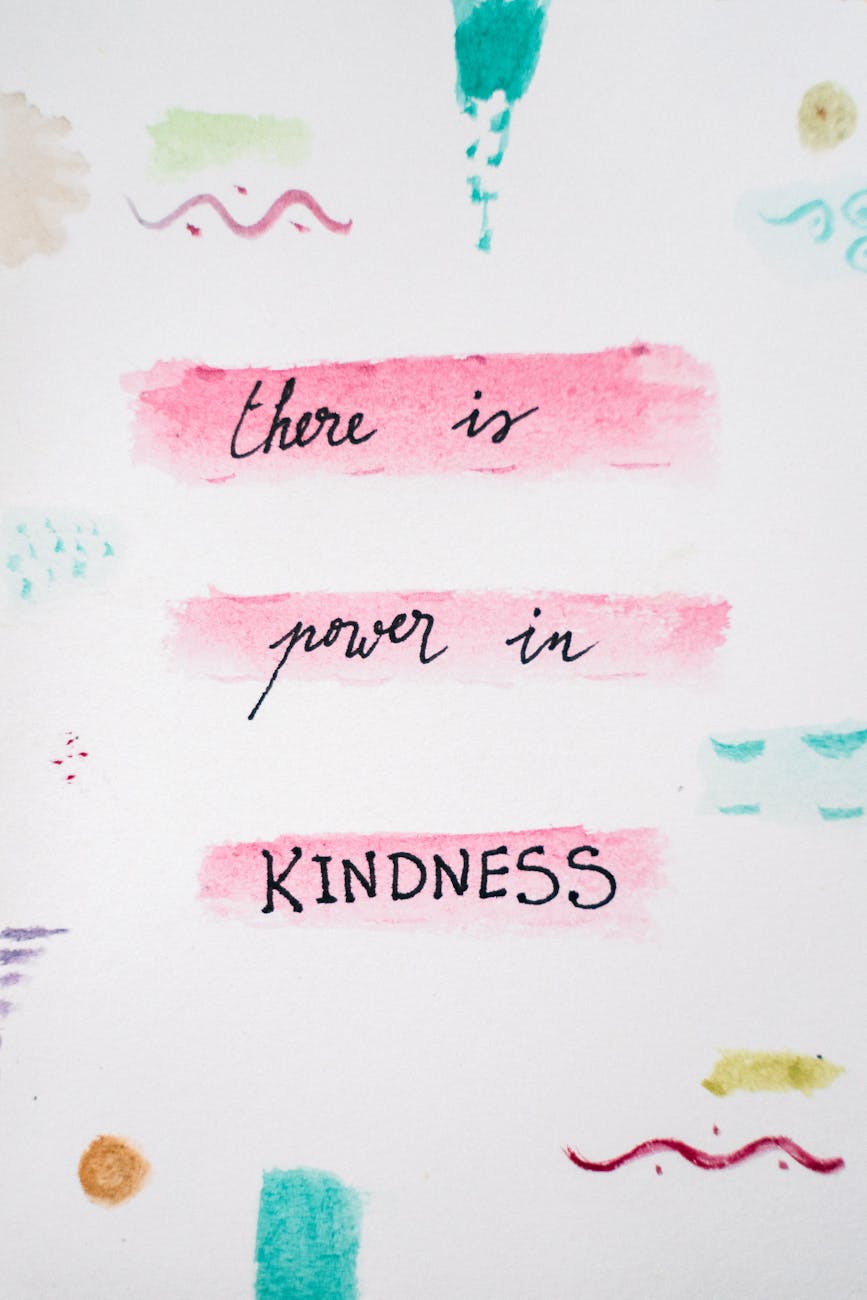
Photo by Anna Tarazevich on Pexels.com - Do what you love

When you engage in activities you are passionate about, they have an impact on your mental health and emotional well-being. It can reduce stress and anxiety, while enhancing your overall sense of happiness and satisfaction. Your motivation will start to flow naturally, allowing you to overcome challenges and persist on the task.
Regardless of what you love to do, you are more productive when you enjoy the task and have a more all-round happier mood and attitude. If you enjoy and are passionate about what you are doing, you take more pride in the outcomes which can in turn drive you to master and be an expert at the task.
When you do what you love, others around you can be inspired and feel uplifted by your actions. Passion is contagious, and when others witness your enthusiasm and dedication, they are encouraged to pursue their own passions.
Doing what you love can be in any form. From been creative and sporty to helping others. It is whatever makes you feel happy.
Have a think about what you love to do. Do you think you spend as much time doing it as you’d like?
- Time to Talk
Time to Talk Day is an annual awareness day held in February. It’s a focus day for us all to have conversations about mental health run by the charity Mind.
Talking about mental health isn’t easy, but starting to open up and discuss with others is a small start to changing lives. Sharing your feelings, worries, doubts and concerns can lead to getting help and support or just feeling much better in yourself. Talking to someone with mental health also gives you an idea of what they are experiencing.
Sometimes it can be easier to talk to someone side by side or whilst you are doing something else like drawing or walking. Open up as much as you feel like without the pressure of feeling like you have to discuss everything.
If you are the one listening, then don’t feel like you have to ‘fix them’. Be there without judgments and be their safe space for when they want to talk some more.
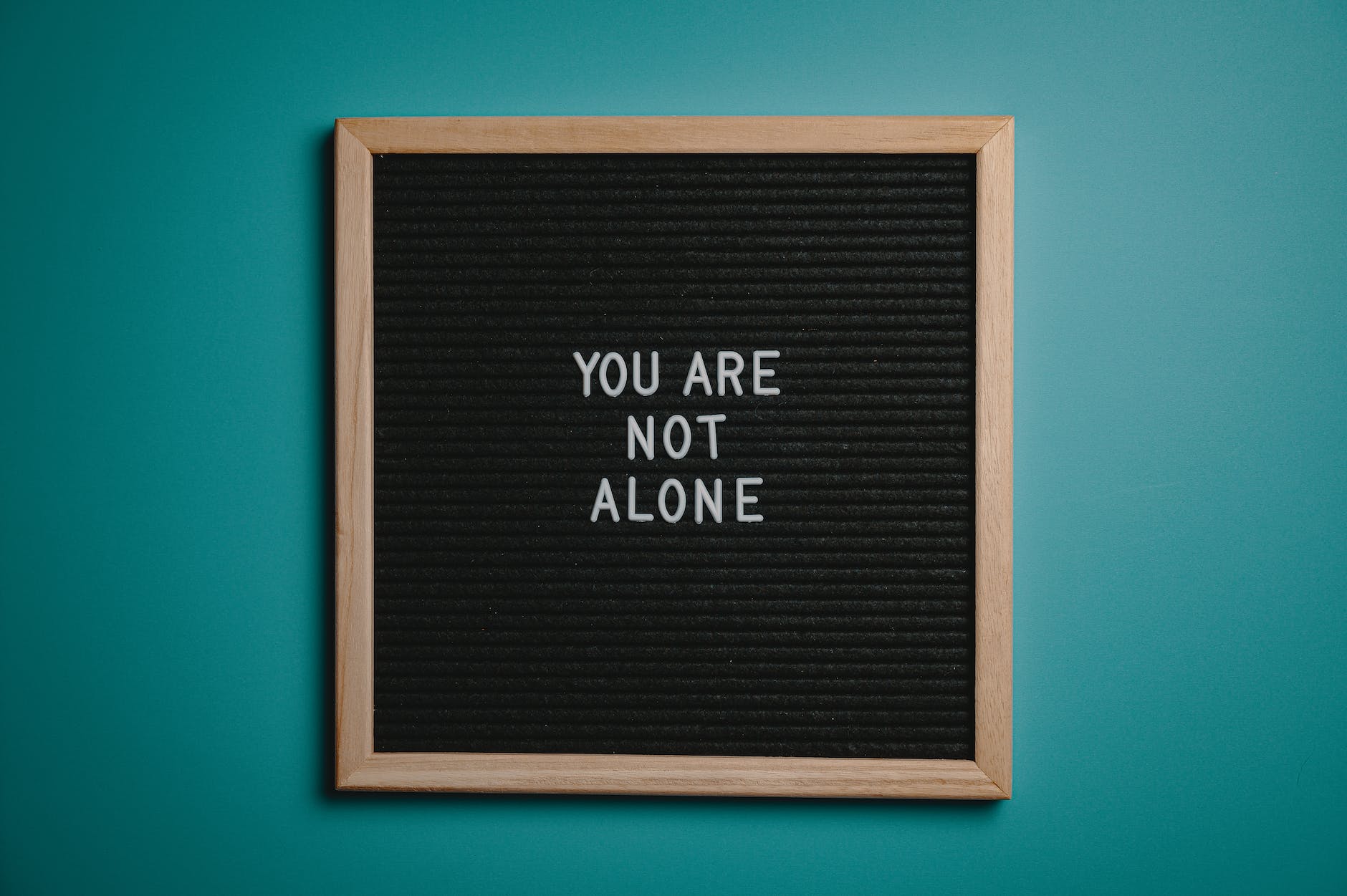
Photo by Brett Sayles on Pexels.com

 phpsnurtureroom.school.blog